What your ticketing data is telling you before doors open
Scan curves, pace of sale and channel mix are all readable days ahead of show day. Here is how our team reads them and what we do with the answers.
March 4, 2026→
 Contact Us
Migrate from any platform. Hosted on a 99.9% uptime edge network built for global-scale events.
Explore Benefits →From the first festival site to global infrastructure, we build for the high-stakes moments.
 Learn more →
We are operators, engineers and creatives working at the edge of event technology.
 Learn more →
The engineering decisions behind every event we keep online.
 Read the Principles
Why we build our own software, how we decide what goes into it, and the standards we hold ourselves to on every event we touch.
Pixl Events did not begin with a product roadmap. It began with a list of complaints. Our founders had spent years running doors, onsales and settlements on software that had clearly never been carried through a service corridor at eleven at night, and every one of those years produced the same three or four failures. The scanner that dropped offline at the head of a queue. The onsale that stalled in the first ninety seconds. The reconciliation that took three days because the numbers lived in five systems that did not speak to each other.
That list became a specification, and the specification became a company. We built the platform we could not buy, and we kept the list. It is still the first thing a new feature is measured against: does this remove one of the failures we started with, or does it just look good in a demo?
Ticketing, access control, cashless and reporting are usually four vendors, four contracts and four support lines, and the gaps between them are exactly where an event loses control of its own data. We build all four ourselves, on one data model, so a ticket sold at ten in the morning is the same record that gets scanned at the gate, tapped at the bar and counted in the settlement. One record, one source of truth. It is the least glamorous decision we have made and the one that has saved the most shows.
We do not ship anything into a live event that our own team would not want to stand behind at the gate.
An event is not a steady state. It is twenty minutes of arrival that decides how the whole night feels, ninety seconds of onsale that decides the season, and a network that will fail at least once. Consumer software is designed for the average case. Event software has to be designed for the worst one, which is why offline-first is a rule here rather than a feature, and why every device on our platform keeps validating and taking payment when the connection goes and reconciles cleanly when it returns.
We do not put an account layer between our clients and our engineers. The team that configured your build is the team that answers the phone on show day, and they spend time on site every season, because nobody should ship event software they have never watched being used. Post-show debriefs change the roadmap. That is the whole point of running an in-house platform rather than reselling somebody else's.
Our clients' attendee data is theirs. We do not sell it, rent it, or quietly build a marketing product on the back of it, and we do not use ticketing terms to hold anyone hostage to our stack. We instrument the platform heavily, because scan times, queue throughput, wallet adoption and spend per head are how you make next year better, and we think the organiser should be the one holding those numbers. If it isn't measured, it isn't finished, and if it's measured, it's yours.
Those are the principles. They are not a values page written after the fact. They are the reason the platform is built the way it is, and the standard our team is held to on every event we touch.
Signed by the founding team of Pixl Events. [ signatories to be confirmed ]
Shot across a season of load-ins, onsales and doors, with the crews who hold the standard on the night.
Film not supplied yet. Drop the final cut or a YouTube / Vimeo link in and this frame plays it in place.
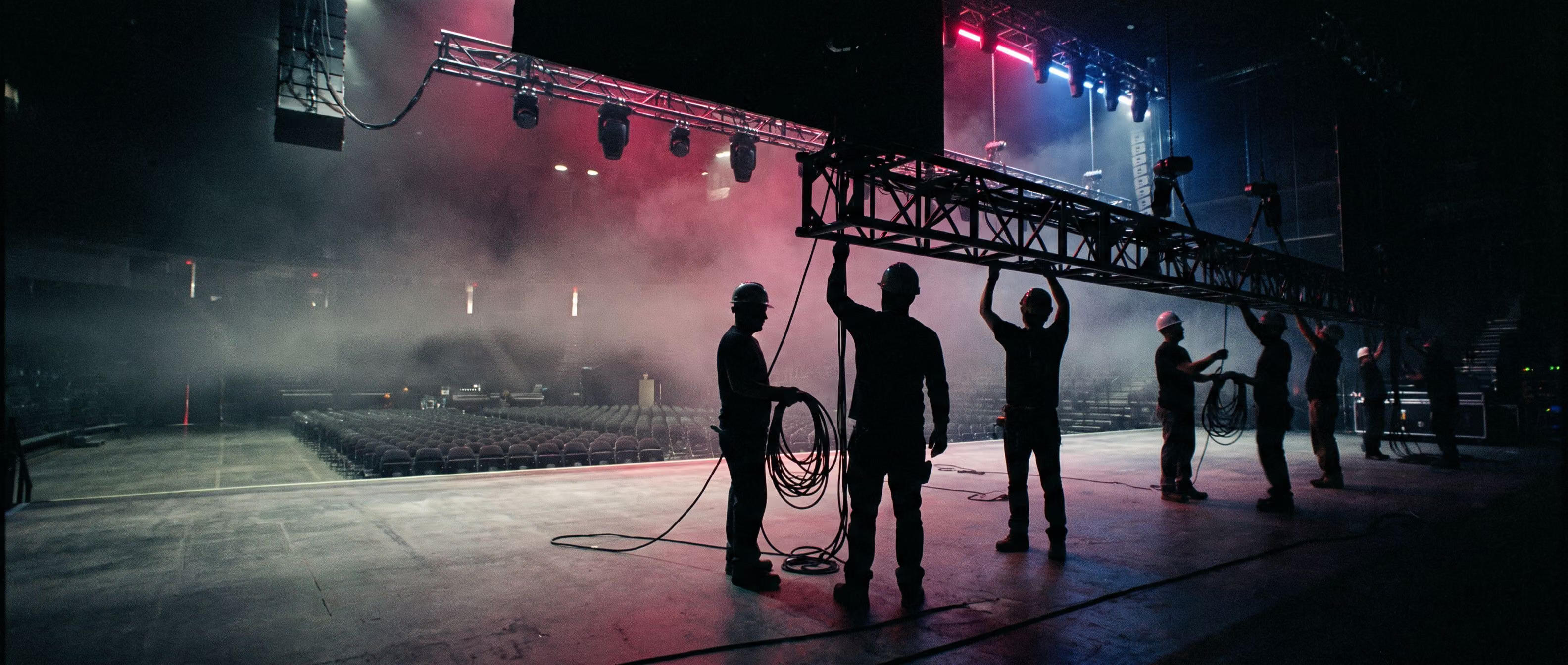
Clip to be supplied. [ video file ]
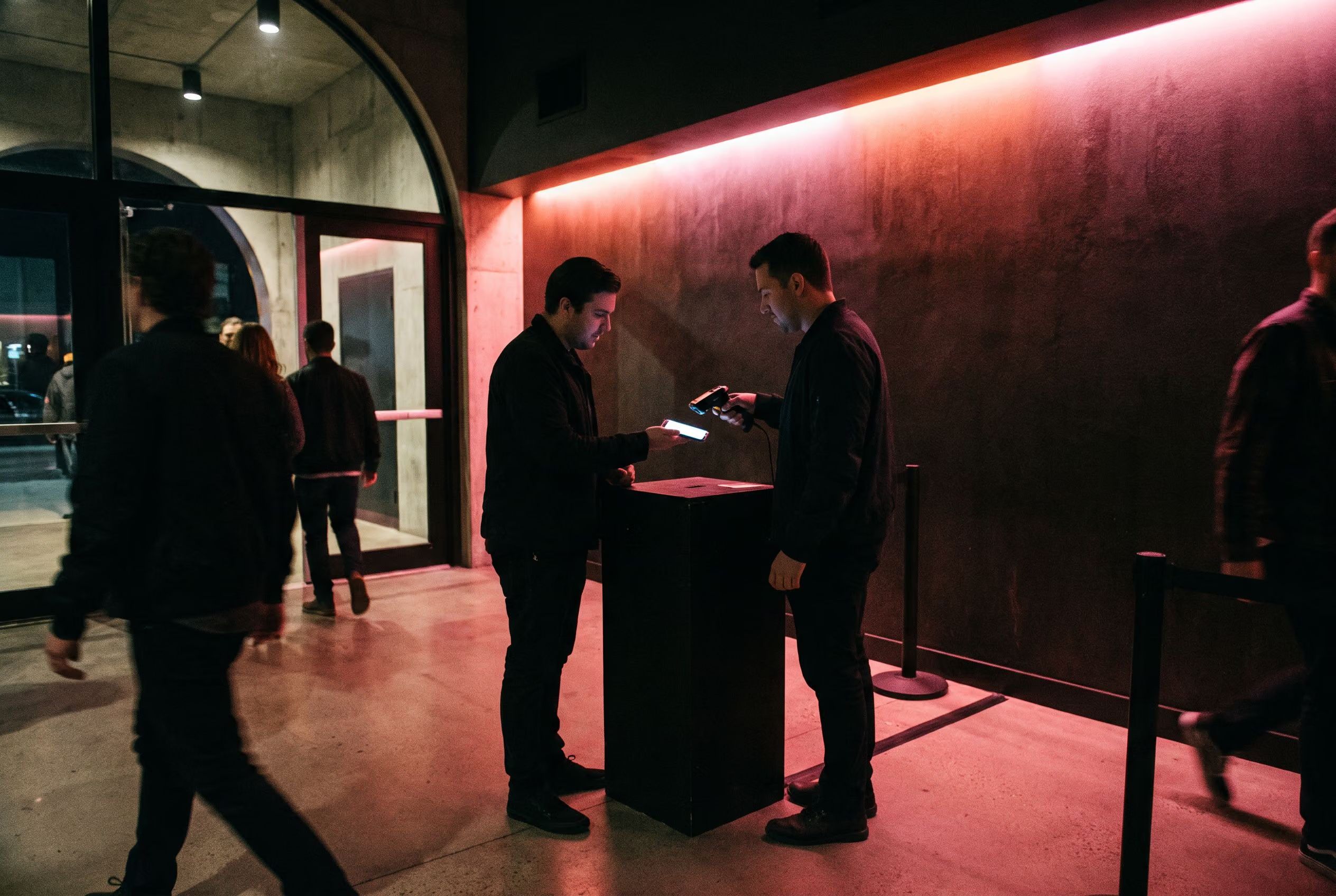
Clip to be supplied. [ video file ]

Clip to be supplied. [ video file ]
The principles above, written as the engineering decisions our team actually works to.
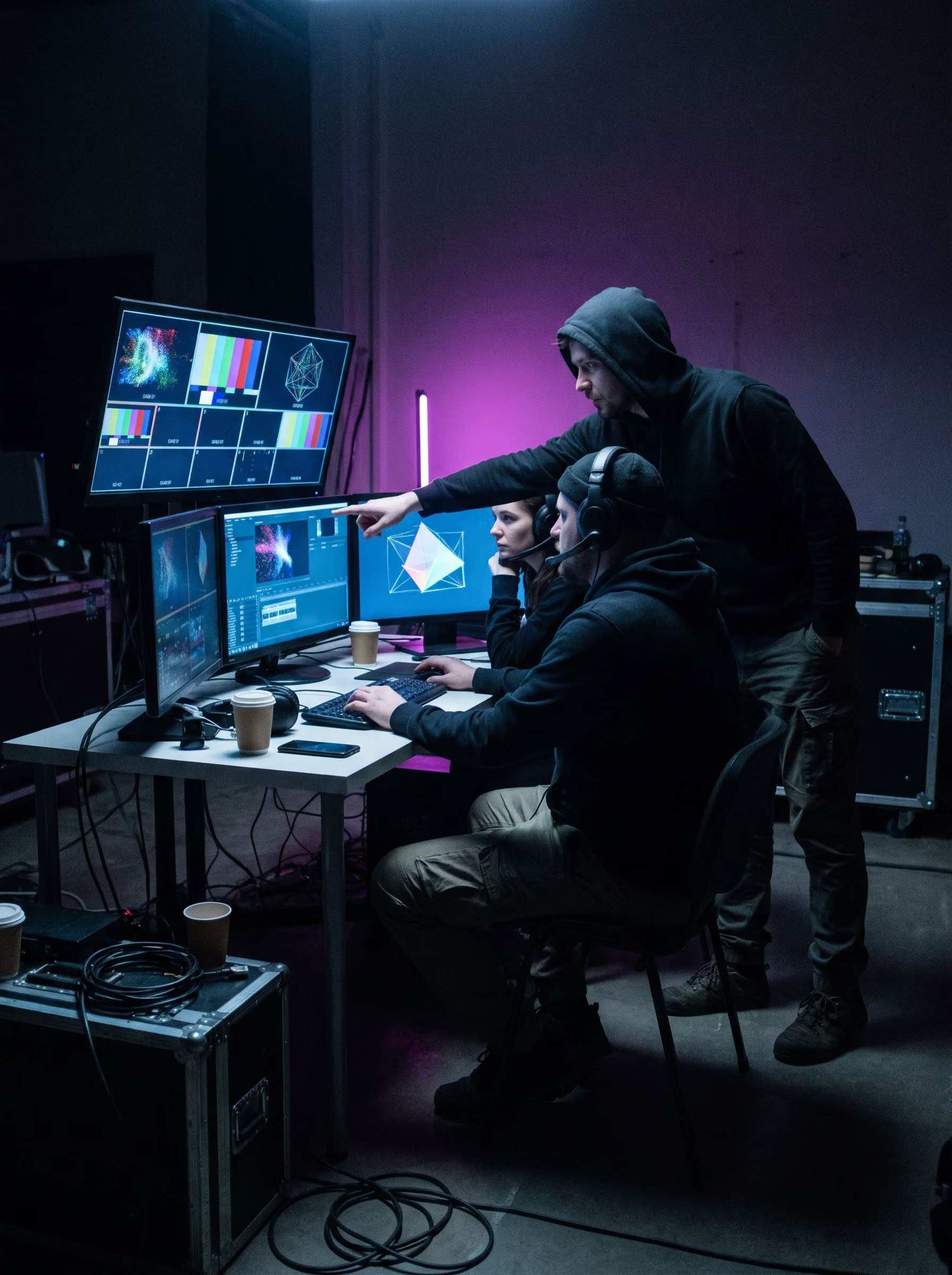
Ticketing, access, cashless and reporting are built in house on one data model, so nothing is lost in a hand-off between vendors.
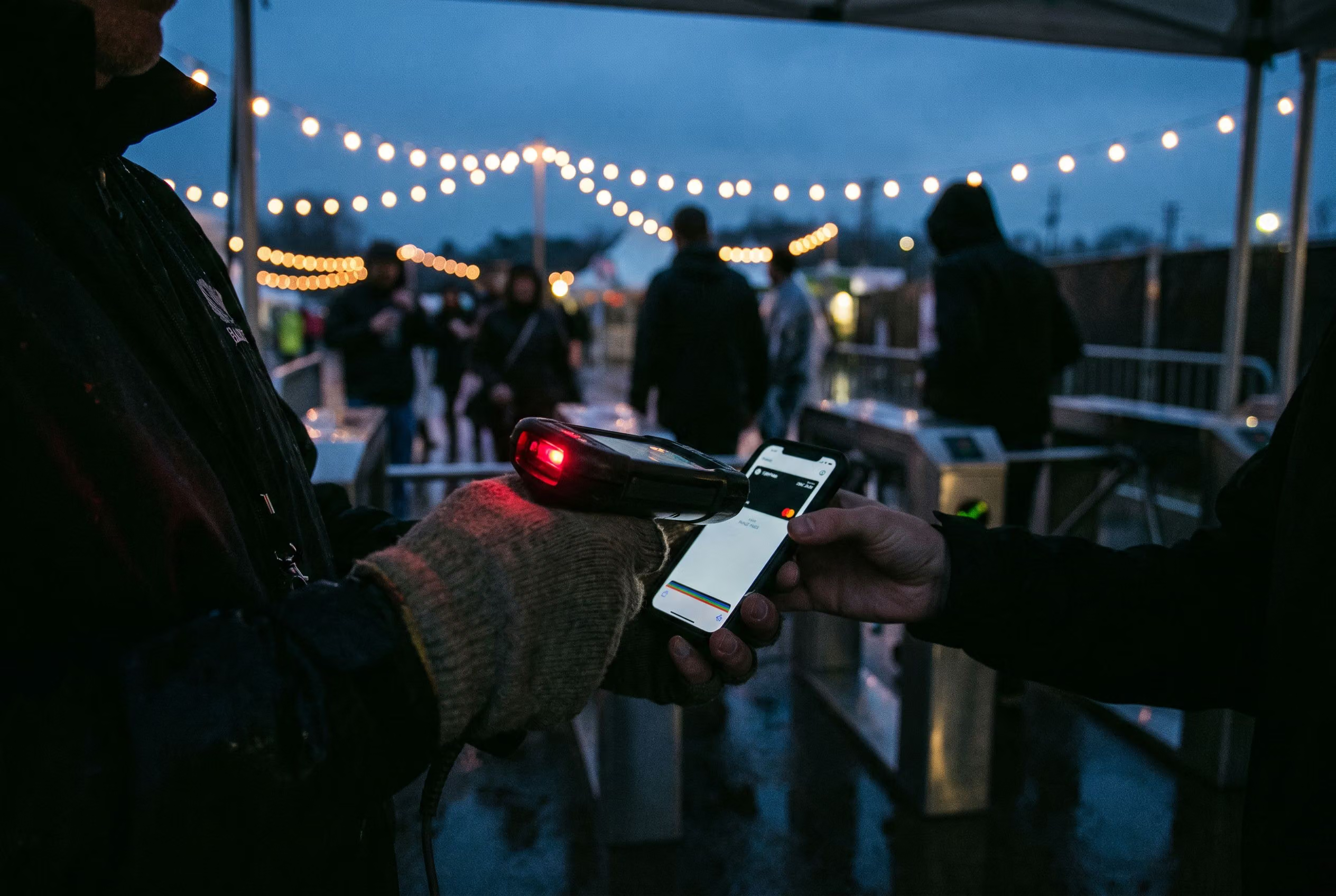
Offline first, load tested for the onsale spike, and a fallback path for every device that touches a live door.
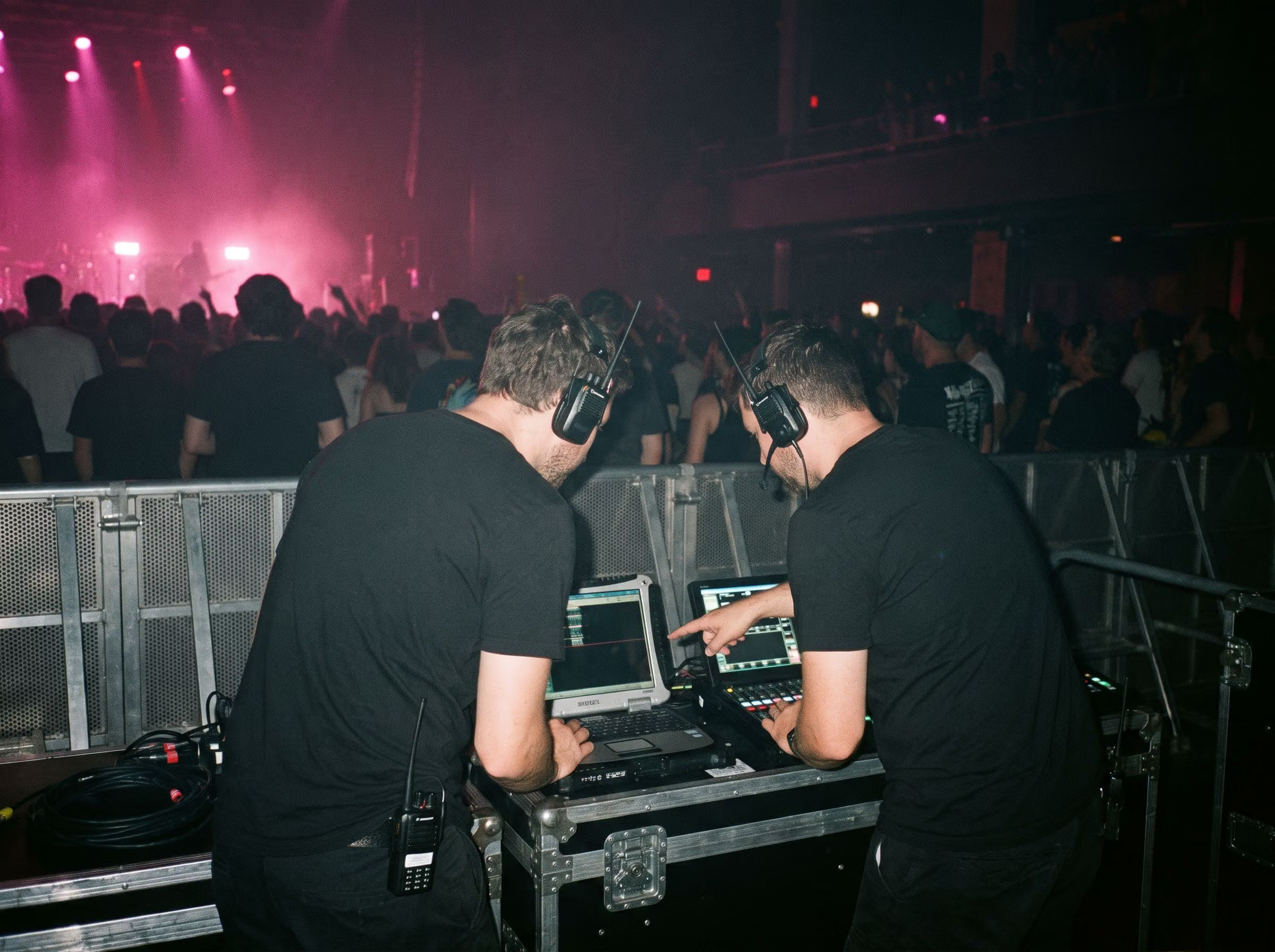
The engineers who configured your platform answer you directly, and they are on site every season to see it run.

Attendee data is never sold or rented. It is exportable, it is instrumented, and it belongs to the event that earned it.
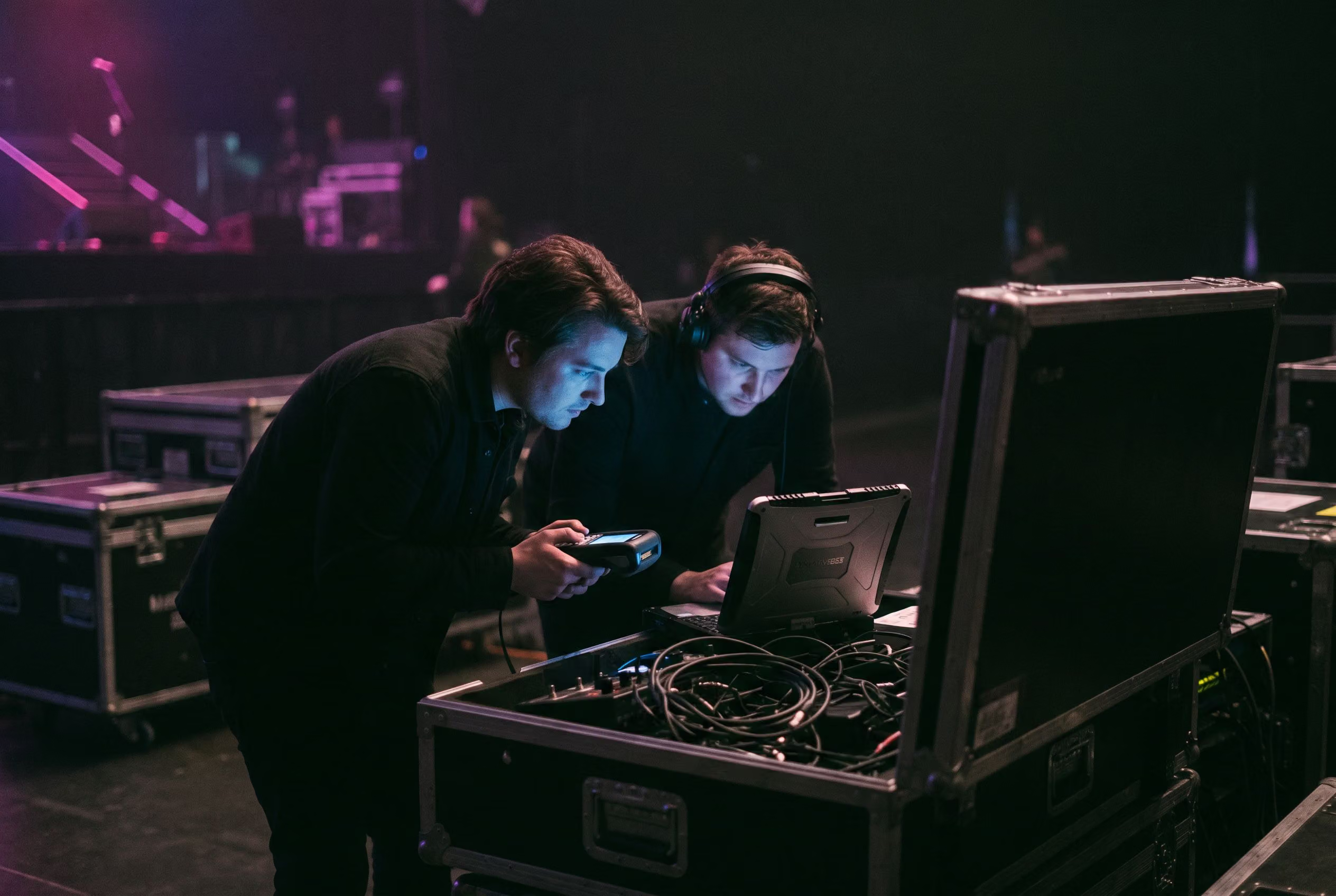
Every rule we wrote down was paid for by a night that went wrong.
Our crews still work the floor. What they learn at the gate is what changes in the platform the following month.
Three positions we hold whether or not a client asks about them, because the industry has a habit of quietly doing the opposite.
Our commercial terms are shown in full before a contract is signed, and what a fan pays is set by the organiser, not buried by us at the last step of a checkout.
Attendee records are the event's property. They stay inside the platform, they leave with you if you go, and they are never packaged up and sold on.
Accessible purchase paths, readable wallet passes and door tools a volunteer can learn in ten minutes. If it only works for the expert, it is not finished.
Field notes on where Pixl Events is heading, the software tools we build, and the way we choose to operate.
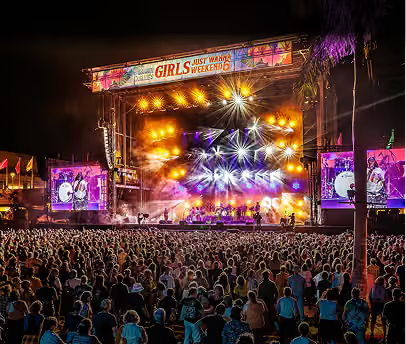
Scan curves, pace of sale and channel mix are all readable days ahead of show day. Here is how our team reads them and what we do with the answers.

Migration season is quieter than show season, and that is exactly why it goes wrong. Use these five questions in your next vendor call.

Taps are the easy part. Staffing, top-up placement and reconciliation are where cashless is won or lost across a multi day build.
A schedule and a map get an install. Timely notifications, wallet passes and on site utility are what get a second session.
Three spreadsheets and a group chat is a reporting system until the moment it is not. Consolidating data changes how fast you can react.

How we take an event from first conversation to sold out and back again, and the four steps we repeat for every partner we work with.
One conversation with the people who would actually run your build. We will tell you what we would do differently, whether or not you work with us.